Dentistry For Seniors
Enjoy Gentle, Respectful Dental Care
Keep Your Natural Teeth Longer With Dentistry for Seniors in Glendale
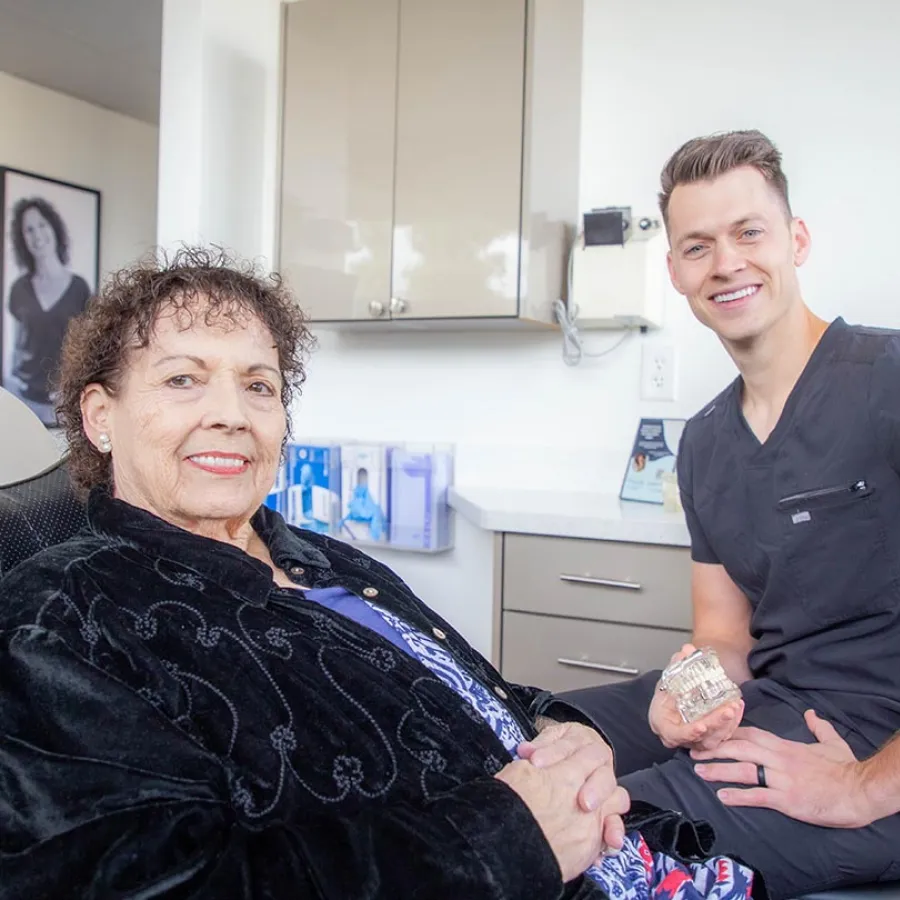
You deserve care that fits your health and the changes that come with age. We take time to review your medications and medical conditions, since both can affect your mouth. Dentistry for seniors in Glendale also includes oral cancer screenings at your regular checkups. For extra comfort, you can rest on a neck pillow and wrap up in a cozy blanket.
Many medications cause dry mouth, which raises your risk of cavities near the gumline. We offer products that restore moisture and protect aging teeth. Treating gum disease early may also help you manage your heart health and blood sugar. If you're missing teeth, we'll help you chew comfortably again. Our membership plan also makes care more affordable if you don't have insurance.
Learn How We Address Senior Dental Concerns
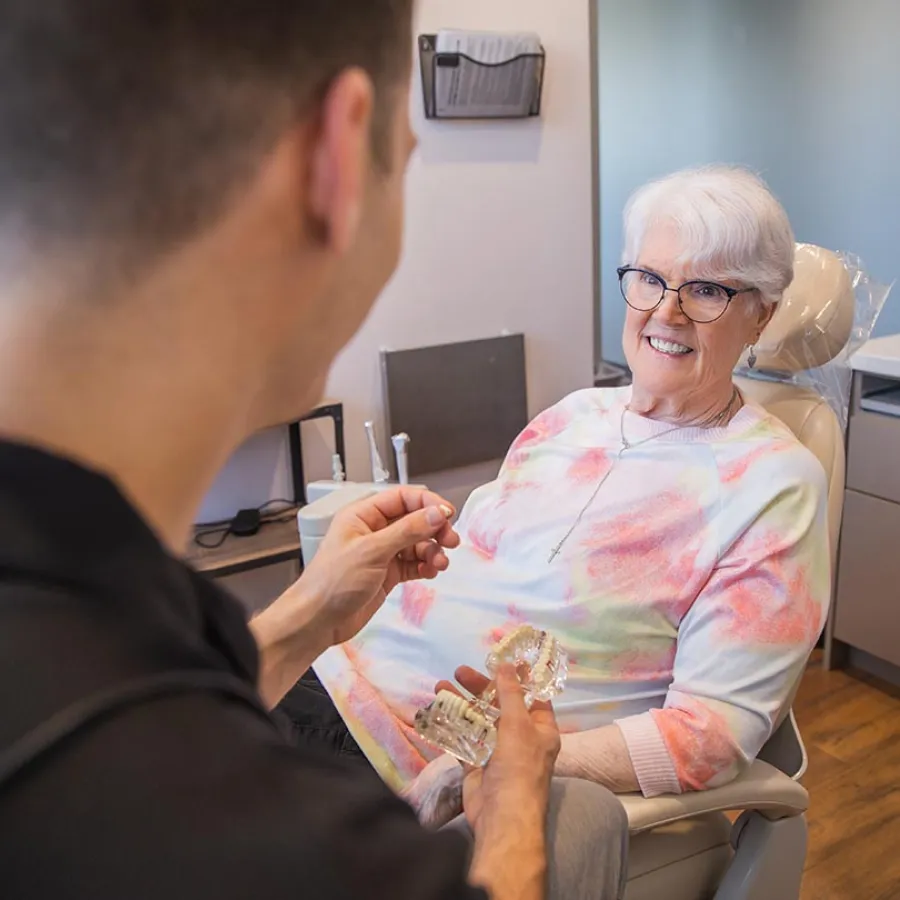
Your teeth and gums change as you age, but we can help you stay ahead of common problems. Here's what we watch for and how we help:
- Dry Mouth - Many medications reduce saliva, so we recommend moisture products that protect your teeth from decay.
- Root Decay - Receding gums expose softer root surfaces, and our careful exams catch cavities there early.
- Gum Disease - We clear bacteria from below the gumline with deep cleanings, using Oraqix gel to numb your gums.
- Worn or Missing Teeth - We repair worn teeth and help you replace missing teeth, so you can chew with ease.
- Oral Cancer - Your risk for this disease rises with age, so we include a screening at your regular checkups.

Read Why Our Patients Love Us
Frequently Asked Questions About Dentistry for Seniors
What is dentistry for seniors?
How often should seniors see a dentist?
Why do older adults get more cavities?
How can seniors manage dry mouth?
Seniors can manage dry mouth by sipping water often and using products made to restore moisture. Sugar-free gum or lozenges with xylitol can boost saliva flow. Special rinses and gels help keep tissues comfortable. A dentist or doctor may also review medications to see whether a different prescription could ease the problem.
What are the best ways for seniors to replace missing teeth?
Seniors can replace missing teeth in several ways, depending on their needs. Dentures are removable and often cost the least. Bridges fill a gap by attaching to nearby teeth. Implants act like natural tooth roots and help preserve the jawbone. The best choice depends largely on bone health and budget.